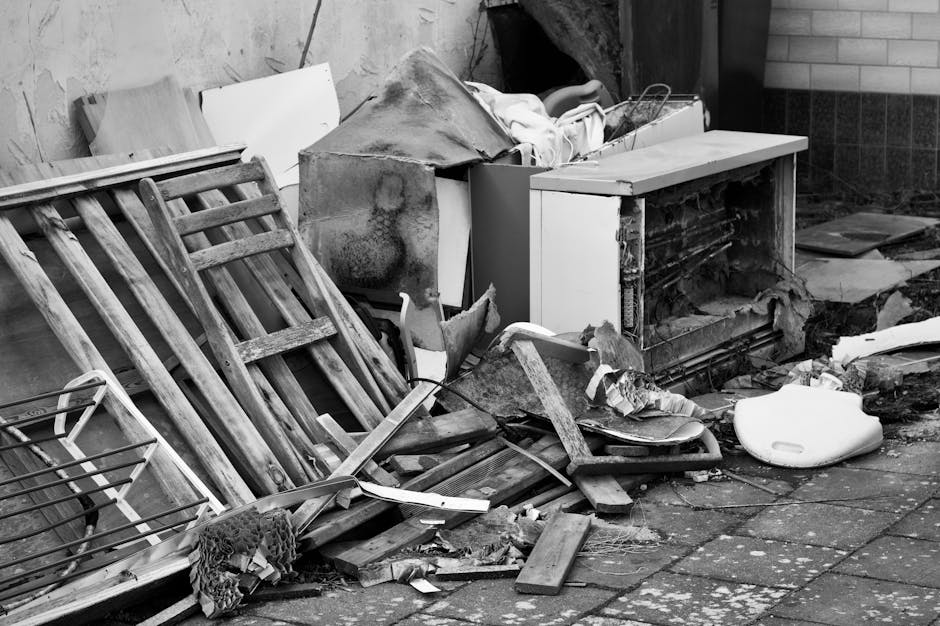
Affordable bulky rubbish removal for Pinner flats
Living in a flat means space is always at a premium. One old sofa, a broken wardrobe, or a stack of tired boxes can make a hallway feel cramped overnight. If you are trying to clear clutter without paying over the odds, affordable bulky rubbish removal for Pinner flats is really about finding the right method for your building, your budget, and your timeline. Not every job needs the same solution, and that is where people often waste money. A bit of planning goes a long way.
This guide explains what bulky waste removal involves, how it works in flats, which service types tend to suit different situations, and what to watch out for before you book. You will also find a practical checklist, a real-world example, and clear answers to common questions. To be fair, the hardest part is usually not the lifting - it is choosing the option that does not create extra hassle in a block with tight stairs, shared entrances, or limited parking.
If you are comparing service options, it can help to understand the wider waste service picture first. For example, rubbish removal works well for mixed household items, while mattress and sofa disposal is useful when you are dealing with one or two awkward pieces. For larger clear-outs, house clearance and man and van options can be a sensible fit. The right choice depends on access, volume, and how quickly you want the clutter gone.
Table of Contents
- Why it matters
- How it works
- Key benefits and practical advantages
- Who this is for and when it makes sense
- Step-by-step guidance
- Expert tips for better results
- Common mistakes to avoid
- Tools, resources and recommendations
- Law, compliance, standards and best practice
- Options, methods or comparison table
- Case study or real-world example
- Practical checklist
- Conclusion
- Frequently asked questions
Why Affordable bulky rubbish removal for Pinner flats Matters
Bulky waste in flats creates a different kind of problem from bulky waste in houses. In a flat, the same old dining chair is not just an item to be moved; it can block an entrance, frustrate neighbours, and sit awkwardly in shared space while you wait for collection. If the building has narrow stairwells or a lift that is only just big enough for one person and a shopping trolley, the job gets more complicated fast.
That is why affordability matters, but so does efficiency. A cheap solution that requires three trips, no time slots, or a lot of manual carrying can end up being poor value. On the other hand, a well-matched service can save time, reduce disruption, and keep the communal area tidy. In busy parts of Pinner, where parking and access can already be a bit of a faff, that matters even more.
There is also a practical comfort angle. Nobody wants a sofa wedged in the hallway for a week because the old plan fell through. And let's face it, once clutter starts collecting near the front door, it tends to spread. A clear, affordable removal plan helps you reclaim the flat without turning the whole place upside down.
For residents who need a more flexible approach, it may be worth looking at wait and load skip hire or a straightforward domestic skip hire option, especially if the waste is not all one type. If you are unsure what can be loaded, it is always smart to check what can go in a skip before you book anything.
How Affordable bulky rubbish removal for Pinner flats Works
In simple terms, bulky rubbish removal is the collection and disposal of large household items that are too big for standard bins. For flats, the process usually starts with access. A team needs to know whether they can park close by, whether the lift is usable, and whether the item can be taken out safely without damaging walls, stairs, or flooring.
Most people will choose one of three approaches:
- Collected and carried away by a removal team - best for one-off bulky items or mixed loads.
- Wait-and-load - useful where parking is tight and you want waste removed quickly without leaving a container outside.
- Skip-based solution - better when the flat is part of a larger project or the waste is more than a few bulky items.
Affordable does not automatically mean the cheapest headline price. It often means the fewest hidden extras. A service that includes loading, transport, sorting, and disposal can be better value than hiring transport separately and doing several trips yourself. If you have a heavy wardrobe, a broken appliance, and a sofa to deal with, the savings in time and effort can be surprisingly real.
For more specialised loads, there are useful service pages such as fridge and appliance removal and mattress and sofa disposal. These jobs often need careful handling because of size, weight, and material type. A standard flat clear-out is one thing; a fridge on a third-floor landing is another story entirely.
Key Benefits and Practical Advantages
The best bulky waste service for a flat does more than remove clutter. It solves a few different problems at once.
- Saves time - no waiting around for multiple trips to a tip or collection point.
- Reduces physical strain - especially useful if you live alone or the item is awkward to carry.
- Protects the building - fewer knocks on walls, less risk to communal areas, and less mess left behind.
- Fits busy schedules - ideal if you need the flat cleared before moving day, refurb works, or a tenancy handover.
- Can be cost-effective - especially when the removal plan is matched properly to the amount of waste.
There is a quieter benefit too: peace of mind. You know the items are being taken away properly, not left in a pile at the back entrance because someone underestimated the job. That matters in flats, where one person's clutter quickly becomes everyone else's headache.
If the bulky items are part of a broader clear-out, a service like garage and loft clearance may also be relevant, even for flat residents who use storage cupboards, balconies, or shared basement spaces. The point is to choose a service that fits the whole job, not just the biggest item.
Who This Is For and When It Makes Sense
This type of service suits a wide range of flat residents in Pinner, from renters clearing out before a move to homeowners replacing old furniture. It is especially useful when bulky waste is too awkward for regular bin services, but too small to justify a major clearance project.
Typical situations include:
- moving out of a rented flat and needing furniture removed quickly
- upgrading a sofa, bed, or wardrobe
- clearing items from a storage cupboard or communal locker
- dealing with broken appliances after a kitchen refresh
- emptying a flat after tenants leave behind bulky items
- removing mixed clutter before decorating or flooring works
It also makes sense when access is awkward. Flats on upper floors, buildings with no lift, and streets with limited parking are all common in London. In those cases, the method matters more than people expect. Sometimes a full skip is the right call. Sometimes wait and load skip hire is tidier. Sometimes a direct removal team is simplest. There is no one-size-fits-all answer, annoying as that sounds.
For people managing a bigger mixed load, house clearance or garage and loft clearance may provide a broader solution. If the items are from a business or shared workspace, then office clearance or commercial skip hire might be more suitable.
Step-by-Step Guidance
Here is a practical way to handle bulky rubbish removal from a flat without overcomplicating it.
- List everything you need removed. Separate furniture, appliances, general household clutter, and anything potentially hazardous.
- Measure the awkward items. Check widths for doorways, stair corners, and lift access. This tiny step saves a lot of stress later.
- Check access and parking. Note whether the vehicle can stop close by, and whether a permit or timed arrival is likely to matter.
- Decide on the removal method. For a small number of items, direct removal may be easiest. For more waste, compare a skip-based option with a wait-and-load service.
- Sort what can be reused, recycled, or disposed of separately. It keeps the job cleaner and can help reduce disposal costs.
- Ask for a clear quote. Make sure it covers labour, loading, transport, and disposal. Hidden extras are where "cheap" becomes expensive.
- Prepare the flat. Clear a path, protect floors if needed, and make sure the items are easy to reach on the day.
- Confirm any restrictions. Some materials need specialist handling, and some building rules may affect collection times or access.
That is the bones of it. Simple, but effective. If you are using a service that includes loading, it helps to have the items grouped together rather than scattered around the flat like they migrated there on their own. You will notice the difference straight away.
Expert Tips for Better Results
Over time, a few patterns become obvious. The flats that go smoothly are usually the ones where the resident has thought one step ahead.
- Choose the service around the access, not just the item type. A bulky chair is easy in a ground-floor flat and much less easy on the fourth floor with a narrow stairwell.
- Be honest about weight and quantity. Half the problems in removal jobs come from "just a couple of bits" turning into a van full.
- Keep mixed loads tidy. A cleaner, more sorted load is easier to process and often less stressful for everyone involved.
- Check whether a permit is needed. If a skip might sit on the road, look into skip hire permits or the broader skip permits information before you assume it is fine.
- Use a lockable option if the waste will sit out for any length of time. An enclosed and lockable skip hire solution can help where security or weather exposure is a concern.
And one small but useful tip: take a quick photo of the bulky items before collection. It sounds a bit fussy, maybe. But it helps when confirming what was agreed, especially if there are several items in different rooms.
If speed matters, a same-day skip hire or direct removal approach can be worth asking about, particularly where a move-out deadline is looming and the hallway has started to resemble a furniture depot.
Common Mistakes to Avoid
Most costly mistakes in flat bulky waste removal are avoidable. They usually come from rushing or assuming the job is more straightforward than it is.
- Booking the wrong service type. A van collection is not always the best choice, and a skip is not always necessary.
- Ignoring access issues. Narrow access can turn a quick job into a long one.
- Forgetting about restricted items. Some waste needs specialist disposal. Do not tuck it in with everything else and hope for the best.
- Leaving items unprepared. A collection team can work faster when the load is ready to go.
- Not checking price structure. Cheapest upfront can be poor value if labour or disposal charges appear later.
A surprisingly common one? People forget the communal side. A bulky item can obstruct hallways, annoy neighbours, and create complaints from the building management if it sits around too long. Nobody loves a cardboard mountain by the bins. Nobody.
If you want a clearer sense of what your load may include, the page on what can go in a skip is a good starting point before you lock in the plan.
Tools, Resources and Recommendations
You do not need specialist equipment to make bulky rubbish removal easier, but a few practical tools help more than people expect.
- Measuring tape - for door widths, lift sizes, and sofa dimensions.
- Gloves - useful for handling dusty or awkward items.
- Blankets or floor protection - helpful if furniture needs to be moved through shared areas.
- Phone camera - quick photos are useful for quotes and planning.
- Basic note app or checklist - keeps the process tidy when life gets busy.
For price comparison, the most useful internal resource is usually skip sizes and prices, because it helps you judge whether a small skip, larger skip, or another method is likely to offer better value. If your priority is handling the waste without a container staying outside, man and van can be a practical alternative. For heavier or mixed loose waste, grab hire services and grab lorry hire are also worth understanding, although they tend to suit access and volume differently.
If your clear-out is part of a larger refurb or structural job, you may also find these pages useful: builders skip hire, builders waste removal, construction waste disposal, and construction waste clearance. They are not just for big sites; they can help when flat renovations produce more waste than expected.
Law, Compliance, Standards and Best Practice
With waste removal, the safest approach is always to follow normal UK waste duty and building best practice. You do not need to become an expert overnight, but a few basics matter.
First, waste should be handled by a proper, licensed operator. That is not just a box-ticking exercise. It helps ensure the material is transported and processed responsibly. Second, bulky waste should be sorted carefully if it includes items that need separate treatment, such as fridges, some electricals, or anything potentially hazardous. Third, if the waste sits in a communal area or on a public road, building rules and local permit requirements may apply.
For flat residents, the safest practical habits are:
- keep walkways clear
- avoid blocking fire exits or shared entrances
- separate anything questionable before collection
- ask about permits early if a road placement is possible
- use a provider that is clear about disposal and safety
If your collection needs are more sensitive, it is worth noting that some waste types have their own handling expectations. For example, hazardous waste disposal and confidential shredding are specialised services and should not be treated like ordinary bulky rubbish. When in doubt, separate the item and ask first. That small pause can prevent a big mess.
Good practice in flats is also about neighbour consideration. Quiet timing, swift collection, and tidy loading all reduce friction. It sounds obvious, but in shared buildings the human side matters just as much as the logistics.
Options, Methods or Comparison Table
If you are not sure which approach is best, the comparison below should help. The "right" choice depends on volume, access, and how much time you can spare.
| Option | Best for | Pros | Watch out for |
|---|---|---|---|
| Direct bulky item removal | One or a few large household items | Simple, quick, minimal disruption | Can become less cost-effective for larger mixed loads |
| Wait-and-load | Flats with tight access or no space for a skip | No container left outside, efficient loading window | You need to be ready when the team arrives |
| Skip hire | Ongoing clear-outs, refurb waste, larger quantities | Flexible for mixed non-hazardous waste | May need a permit or on-site space |
| Man and van | Mixed small-to-medium loads | Flexible and practical for flat clearances | Less suitable if waste is very heavy or bulky in bulk |
| Grab hire | Heavier loose waste or jobs needing fast removal | Useful for larger loads and quicker clearance | Access and loading method need to suit the site |
For a lot of flats, wait-and-load sits in a sweet spot. It avoids leaving waste outside, which is useful in shared spaces, and it can be more convenient than organising a skip if you only have a short window. That said, if you are clearing a full flat, a skip may still be better value. It really depends.
Case Study or Real-World Example
A typical example: a resident in a Pinner flat is moving out after five years and has a broken sofa, an old mattress, a collapsed shelving unit, and a couple of small appliances to get rid of. The hallway is narrow. The lift is small. Parking is not exactly generous.
At first, the resident thinks about hiring a skip. Then reality kicks in. There is nowhere convenient to leave it, and the building management would probably want notice. Instead, a short-loading removal approach is chosen. The bulky pieces are placed near the entrance in advance, the route is cleared, and the job is done in one visit. No lingering pile. No extra lift trips. No awkward day-long stress.
What made the difference was not the amount of waste. It was the planning. The resident measured the largest item, checked the access route, and picked the service that matched the building. That is usually the pattern with affordable jobs: the people who think ahead save the most money and hassle, even if they are not trying to be clever about it.
In a slightly larger clear-out, the same resident might have used domestic skip hire or a mixed removal service. The best answer depends on whether the waste is a few bulky items or part of a bigger sort-out. Small difference, big result.
Practical Checklist
Use this before you book anything.
- List every item that needs removing.
- Separate ordinary bulky waste from any specialist items.
- Measure the biggest pieces and check access points.
- Decide whether parking, lift use, or stair access might be a problem.
- Choose the service type that fits the volume and timing.
- Ask for an all-in quote where possible.
- Check whether a permit or building approval might be needed.
- Prepare the items so collection is quick and tidy.
- Keep the shared areas clear for neighbours.
- Confirm what happens to the waste after collection.
If you are still unsure which route makes sense, a quick look at pricing and quotes can help frame the decision. For secure payments and reassurance before you book, payment and security is also worth reading. And if you care about where the waste ends up - as most people do, once they stop and think about it - recycling and sustainability is a sensible next stop.
Conclusion
Affordable bulky rubbish removal for Pinner flats is not really about squeezing the price down at any cost. It is about choosing a clean, sensible, well-matched solution that fits your building and your budget. A small flat clear-out, a sofa replacement, or a bigger move-out job can all be handled well when the access, timing, and disposal method are thought through properly.
The easiest wins are usually simple: measure first, separate the waste, check access, and compare service types before you book. If you do that, you are far less likely to overpay or deal with avoidable stress. And honestly, once the clutter is gone and the flat feels open again, the relief is immediate. You can hear the room differently. Bit odd, but true.
Get a free quote today and see how much you can save.
If you want to understand the company behind the service, about us is a useful place to start, and book online makes the next step straightforward when you are ready.
Frequently Asked Questions
What counts as bulky rubbish in a flat?
Bulky rubbish usually means items too large for normal household bins, such as sofas, wardrobes, mattresses, tables, broken appliances, and other awkward household waste. In flats, even a single item can feel bulky because of the access involved.
Is wait-and-load better than skip hire for flats?
Often, yes, if you have limited space outside the building or do not want a container left on the road. Wait-and-load is especially useful where access is tight. But if you have a larger mixed load, skip hire may still be more economical.
How can I keep costs down when removing bulky waste from a flat?
Group items together, separate any specialist waste, measure the biggest pieces, and choose the service that fits the load size. The cheapest headline price is not always the best value if it causes extra labour or repeat visits.
Do I need a permit for bulky rubbish removal?
Not always. A permit may be needed if a skip or vehicle placement uses a public road or affects parking space. It depends on the setup, so it is worth checking before the day rather than after.
Can furniture be removed from upper-floor flats?
Yes, but access matters. Stairwell width, lift size, and the shape of the item all affect the job. A service that includes carrying is usually the simplest choice for upper floors.
What should I do with a fridge or freezer?
Fridges and freezers should be treated carefully because they are not ordinary bulky waste. It is better to use a dedicated fridge and appliance removal service rather than mixing them in with general clutter.
Can I put a mattress with my other bulky waste?
Sometimes yes, but it depends on the service and load type. Mattress disposal is often handled separately because of handling and processing considerations. If in doubt, ask before collection.
What if I live in a block with very tight parking?
That is common in London flats. In those cases, a short-loading visit, man and van service, or a carefully planned wait-and-load arrangement may be the most practical choice.
How far in advance should I book?
If you have a move-out date or building access window, book as early as you can. For simple one-off jobs, short notice may still be possible, but flexibility helps keep costs and stress down.
Will the team take items from inside the flat?
Usually yes, if that is part of the service agreed. Always confirm whether loading from inside the property is included, especially if the flat is on an upper floor or access is awkward.
What happens to the waste after collection?
Responsible operators sort, recycle, and dispose of waste according to the material type and local processing rules. If sustainability matters to you, ask how the provider handles sorting and recycling.
Is it worth using a skip for just one sofa?
Usually not. A single sofa is often better handled with a direct removal service or a mattress and sofa disposal option. A skip can be overkill for one item unless you have other waste to add.